
 Sedona Hiking Trails
Seven Sacred Pools: Short Hike, Big Reward
By Rupa Chenthil · Published April 30, 2026 · 5 min read
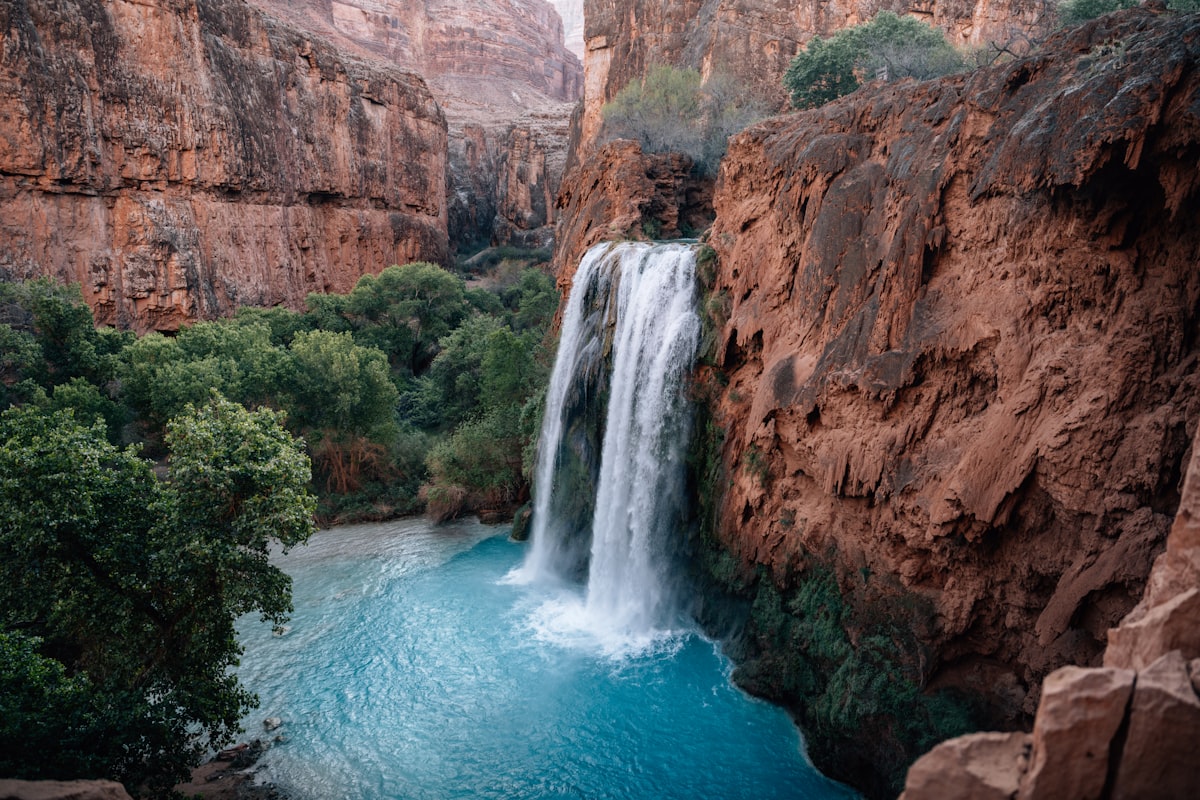
Seven Sacred Pools is the rare Sedona hike where the payoff genuinely matches the effort: a 1.4-mile out-and-back that ends at a string of natural water basins carved into red sandstone, often reflecting the surrounding spires. Here's how to do it well — including the permit reality, the seasonal water levels, the side-trip to the cave above, and the reasons we ask all our guests not to swim or wade in 2026.
Before you start: the trail is on Coconino National Forest land and is catalogued in the official trail directory at visitsedona.com/things-to-do/hiking. Cross-reference there for any temporary closures (the trail has been closed twice in the past three years for raptor nesting and once for trail-tread repair).
How to get to Seven Sacred Pools from Sedona
The "Y" — Sedona's main intersection of Highway 89A and Highway 179 — is the reference point everyone uses for in-town directions. From the Y, head west on 89A for 1.4 miles, turn right (north) onto Soldier Pass Road, continue 1.2 miles to the trailhead lot on the right. Total drive: about six minutes outside peak hours, twelve to fifteen during morning commute. The road is paved the whole way and any rental car will manage it without issue.
Soldier Pass trailhead permit reality 2026
This is the most-asked question we get about this trail. As of January 2026, Soldier Pass does NOT require a separate permit beyond the standard Red Rock Pass. There have been multiple proposals over the past three years to add a timed-entry system similar to Devil's Bridge, and the Forest Service has run pilots, but no permanent permit has been enacted. The current rules:
- Red Rock Pass required at the trailhead ($5/day, $15/week, $20/annual)
- Trailhead gate closes at 6pm daily; your car will be locked in overnight if you miss it
- Drone use prohibited — this is a designated wilderness boundary area
- Group size limit: 15 people; commercial guided groups need a separate permit
The pilot programs have signaled that timed entry may return in 2027 or beyond, so the answer above could change. Check current conditions on the Coconino National Forest website before your trip.
The trail
The route follows the Soldier Pass Trail from the Soldier Pass trailhead in West Sedona. It's nearly flat for the first 0.4 mile across a wash and a small sandstone ramp, then dips down a short sandy slope to the pools themselves. Elevation gain is negligible (about 90 feet total). Most people are there in 25 minutes at a relaxed pace.
The footing is sandy at the start, transitions to slickrock around 0.3 mile, and is moderate scramble (one or two short hand-friendly sections) on the descent to the pools. Trail shoes are sufficient; you don't need real hiking boots for this one.
What the pools look like by season
Seven natural depressions hold water year-round in most years — fed by groundwater seep rather than rain, which is why they're remarkably consistent. The water is not safe to drink and is rarely deep enough to swim in.
- Winter (Dec–Feb): Pools are typically full, water is cold and clear, and reflections are sharp in the angled winter light. Best season for photography.
- Spring (Mar–May): Snowmelt and spring rains top up the pools to their fullest; algae starts to bloom in the warmer pools by late April.
- Summer (Jun–Aug): Pools shrink but rarely dry completely. Water turns greenish from algae. Trail is unpleasantly hot midday.
- Fall (Sep–Nov): The other prime season. Cool air, low-angle light, sparse crowds after Labor Day, and a real chance of clean reflections.
Side-trip to the cave above
About 0.2 mile past the pools, on the left side of the main trail, an unmarked use trail climbs steeply up a sandstone ramp to a sizable cave alcove with a perfect framed view back toward Sedona. Locals call it "the Soldier Pass cave" or sometimes "the soldier's hideout." The scramble is short (about 12 minutes) but uses hands on a few sandstone moves and is genuinely exposed in one spot.
If you're a confident scrambler, do it — the cave is a stunning photo backdrop and one of the most underrated overlooks in Sedona. If you're hiking with kids under ten or anyone uneasy on slickrock, skip it and enjoy the pools.
Can you swim in Seven Sacred Pools?
This is the part where we sound like the Forest Service rangers, and we make no apology for it. As of 2026, swimming and wading in the Seven Sacred Pools is strongly discouraged and at certain pools officially prohibited. The reasons:
- Sunscreen and body oils kill the microorganisms that keep the pool water clear, which has noticeably degraded several pools in the past five years
- The pools host native amphibian populations (canyon treefrog, in particular) that are sensitive to human disturbance
- The water depths are deceptive — visible-bottom pools that look 18 inches deep are often six feet, and there have been documented rescues
- The pools are a recognised sacred site to local Indigenous communities, and recreational swimming is genuinely offensive to many of them
Look, photograph, sit nearby and listen to the water — but don't get in. Your future-self looking back at Sedona will not feel cheated by the absence of that swim.
The continuation: Devil's Kitchen
If you've come this far, keep going another half-mile to Devil's Kitchen — Arizona's largest active sinkhole. The trail is well-marked. Total round trip adds about 25 minutes. It's a genuinely strange geologic feature (a 200-foot-wide collapsed limestone chamber, with new fall events as recently as 2015) that most Sedona visitors miss.
Where to park for Seven Sacred Pools
The Soldier Pass trailhead lot is tiny (14 spots) and closes a gate at 6pm. If it's full, park at the Posse Grounds Park overflow lot and walk in via the connector trail (adds 0.6 mile each way). Red Rock Pass required. The walk in from Posse Grounds is honestly pleasant — quiet residential street, then a short sandy connector — and we've started recommending it over the trailhead lot to guests who don't want to gamble on parking availability.
What to bring
- Water — 1L is plenty for the short distance
- A camera with a polarizing filter if you're chasing reflection shots
- Quiet feet — wildlife, including javelina and the occasional ringtail at dawn, is regularly seen in this drainage
- A small pack for the cave detour if you decide to do it; loose items in pockets fall out on the scramble
- A bandana or buff for the wash sections, which kick up red dust in summer wind
How long is the Seven Sacred Pools hike?
Allow two hours from car to car if you only walk to the pools, two and a half if you add the cave detour, and three hours if you push on to Devil's Kitchen. Add another 15 minutes if you stop to photograph the pools from multiple angles, which most people end up doing. Almost nobody finishes this hike feeling rushed, and almost everybody wishes they had brought a longer lunch and a paperback to sit by the pools for an extra half-hour.
For a hike with this low a difficulty barrier, Seven Sacred Pools punches way above its weight. It's the answer to "we have two hours and don't want to scramble" — and if you arrive at sunrise on a still November morning, with the cave detour as your destination, you'll see a Sedona that most visitors miss entirely. We've sent dozens of guests on this exact itinerary and the post-stay messages consistently rank it as the second-best hike of the trip, narrowly behind Cathedral Rock and ahead of the more famous (but more crowded) Devil's Bridge.
Where to stay in Sedona
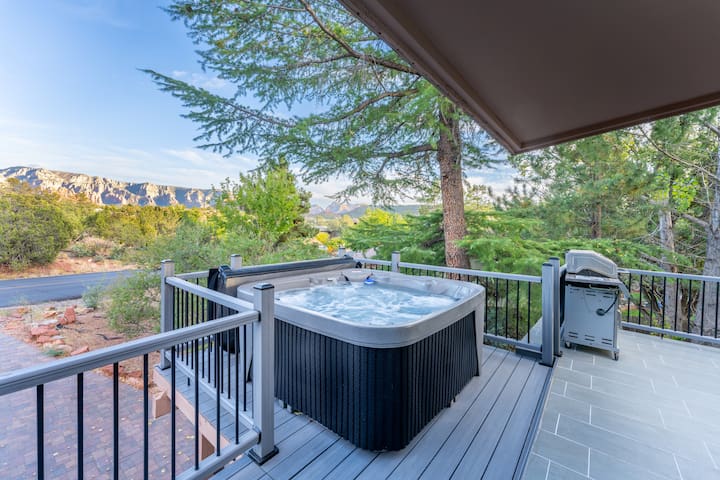
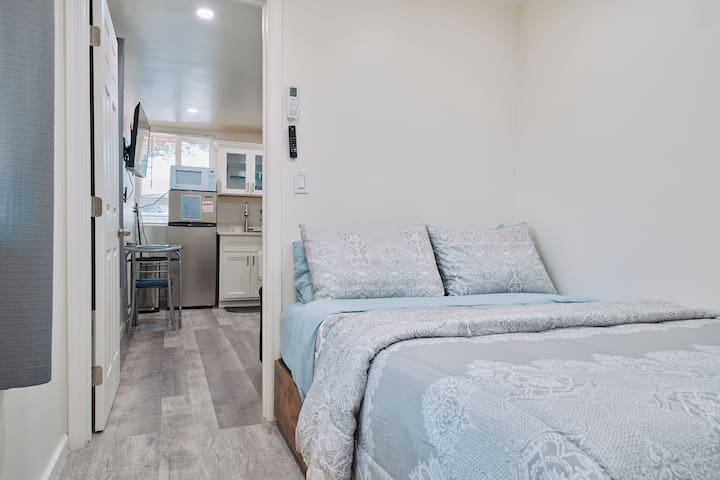
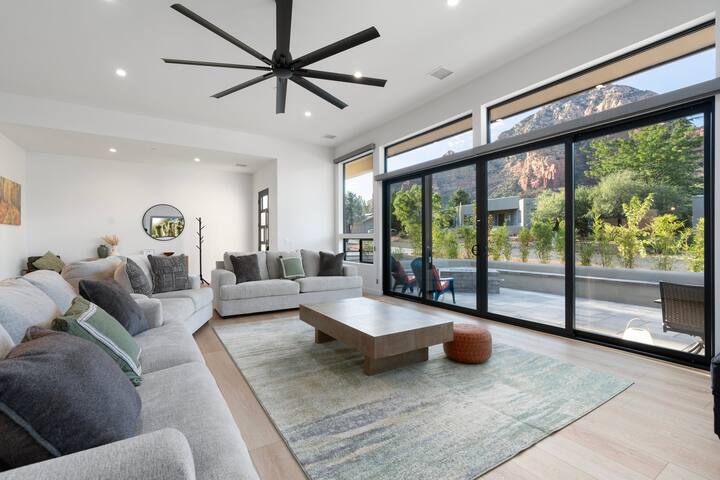
Make a weekend of it — base your trip at one of our luxury Sedona vacation rentals, each with a private hot tub, red-rock views, and room to unwind after the trail.
More in Sedona Hiking Trails
The 5 Best Beginner Hikes in Sedona
May 18, 2026
Plan your Sedona stay
Browse our hand-picked vacation rentals — book direct and save vs Airbnb / Vrbo.
View Properties